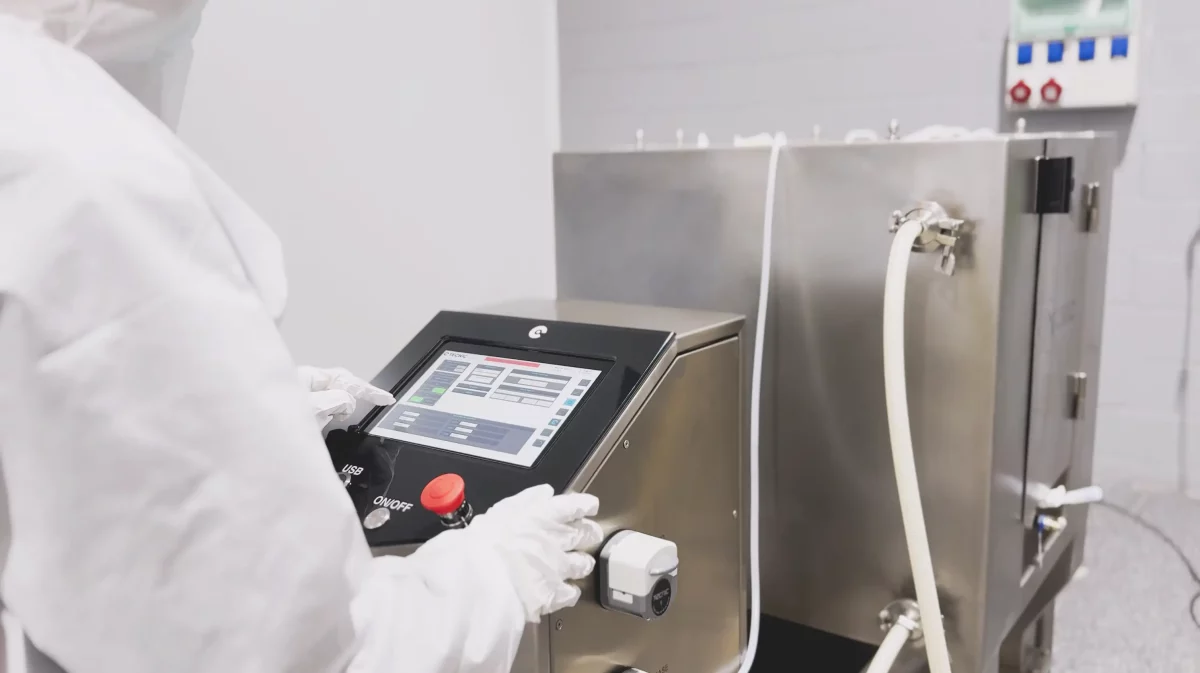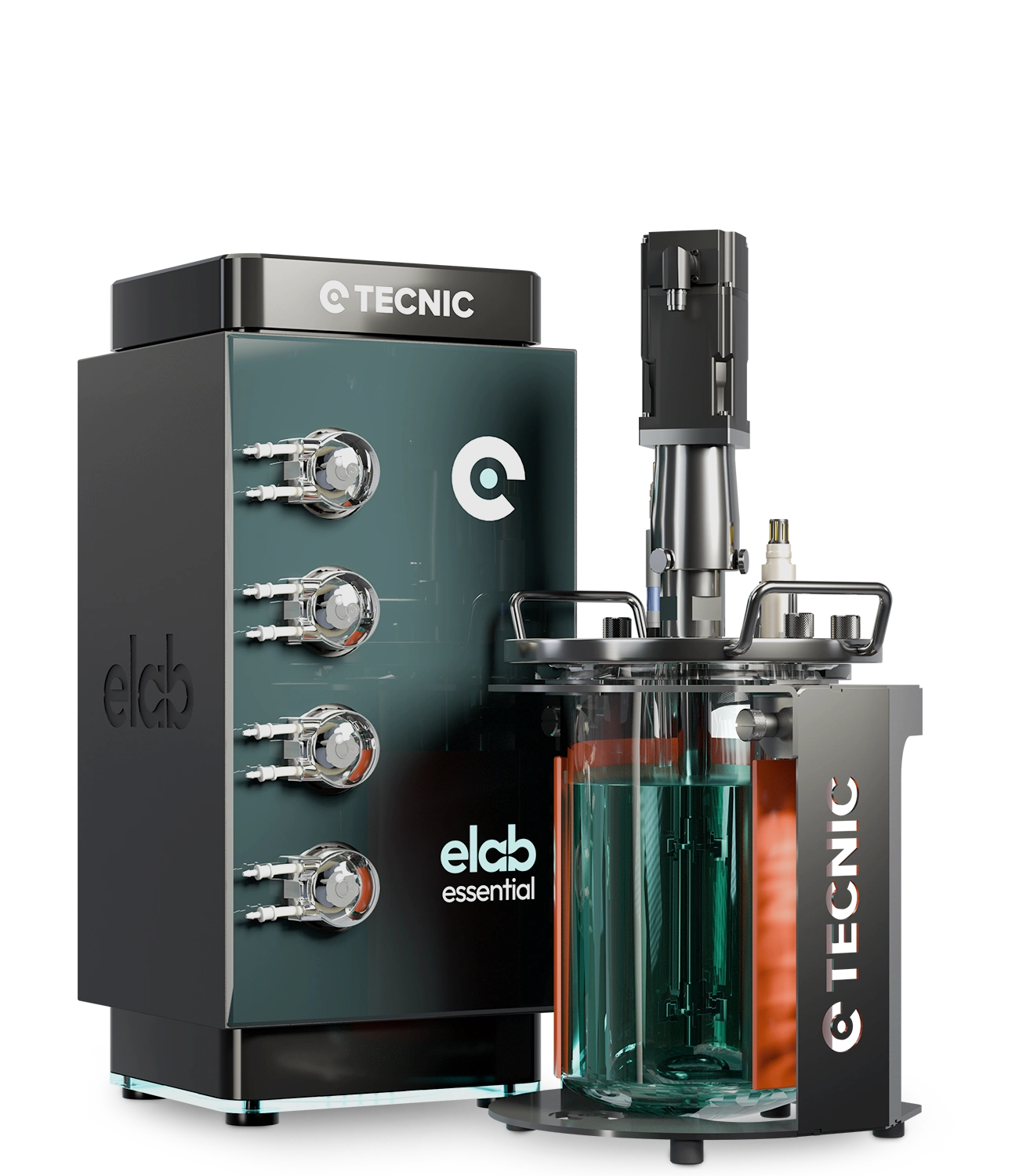
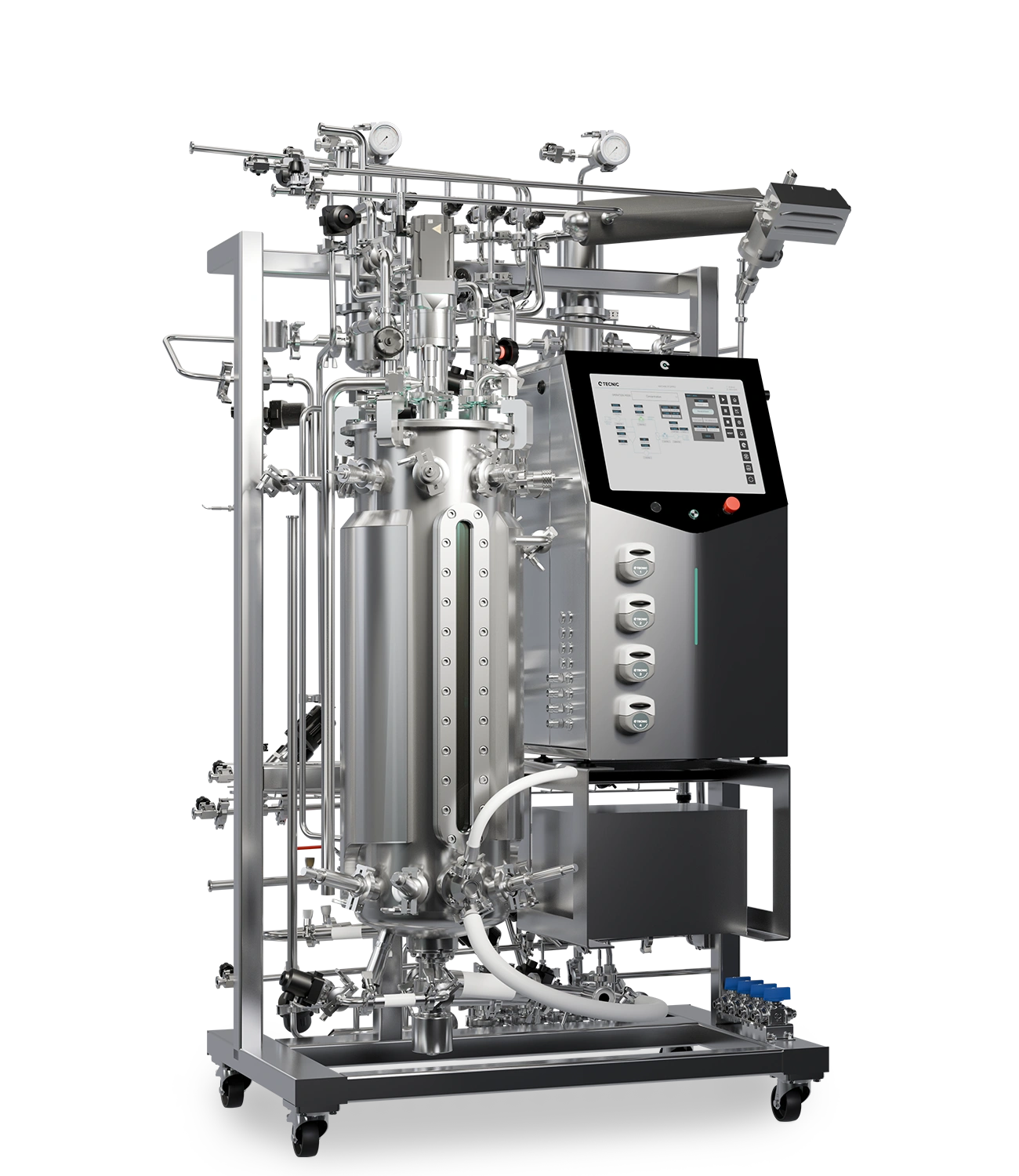
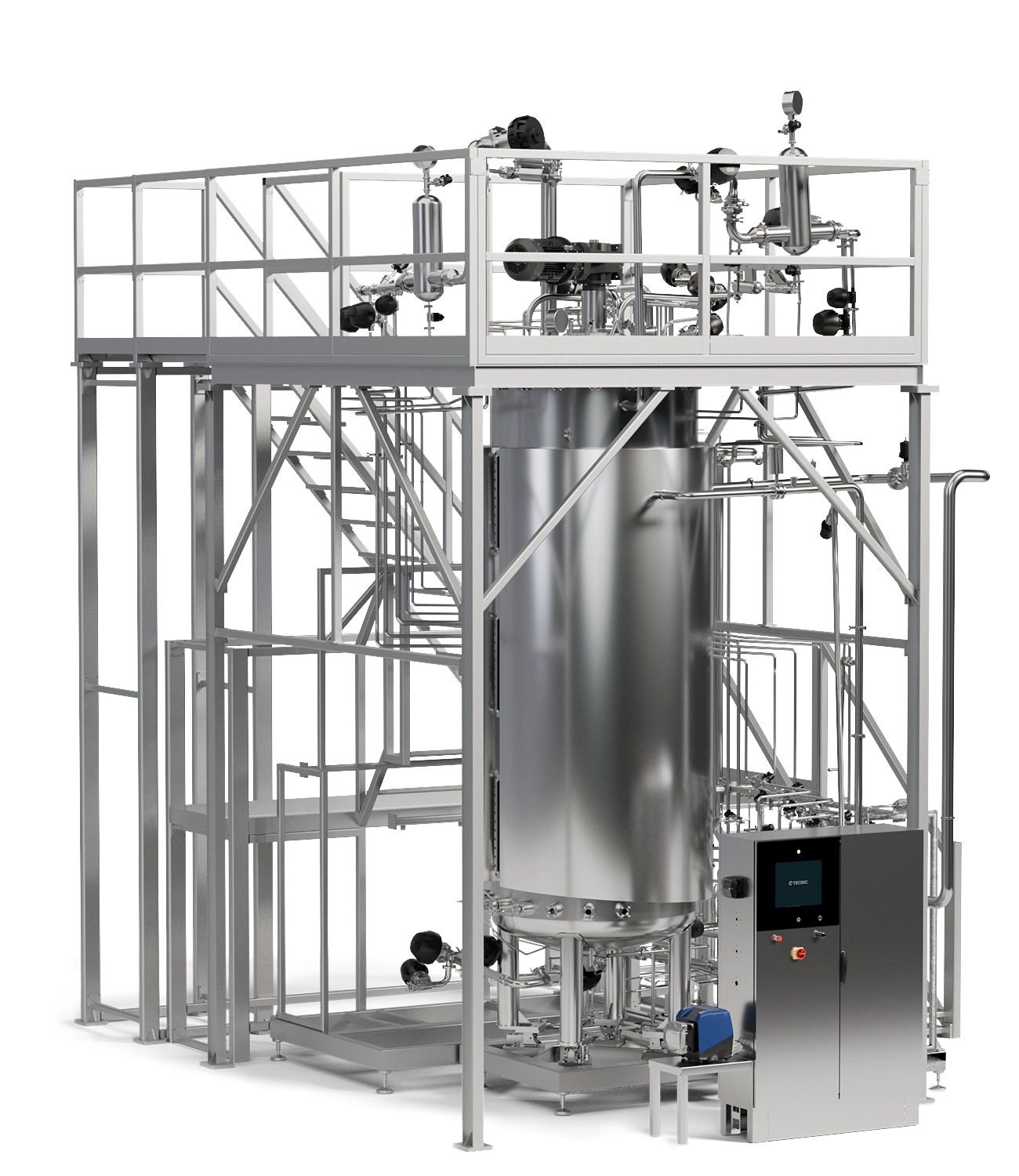

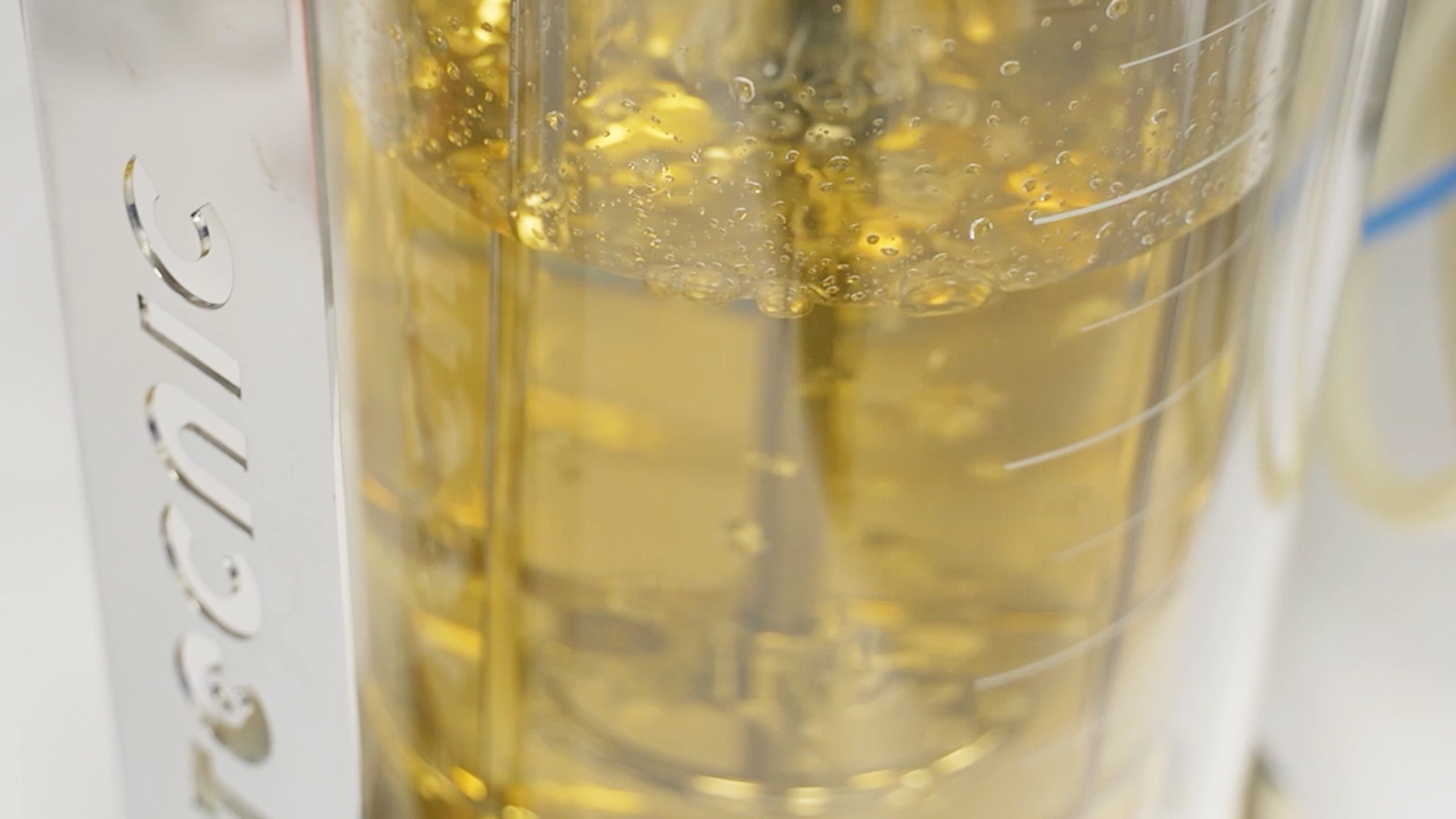
Cell culture performance depends on several variables, but a few parameters shape the process more directly than the rest. When these parameters drift, growth, viability and productivity usually drift with them.
In controlled bioprocess environments, understanding the most important cell culture parameters is essential because they affect not only biological response but also scalability and reproducibility. Four of the most important are pH, dissolved oxygen, temperature and agitation.
Cell culture quality is not only about the cells themselves. It depends on how well the process environment is controlled around them.
Why cell culture parameters matter so much
Cell culture is highly sensitive to its environment. Even when the right cell line and medium are used, poor control of core parameters can reduce viability, slow growth or change product quality. That is why process control becomes essential very early in development.
The four parameters below are especially important because they influence metabolism, gas transfer, stress and overall biological stability inside the culture.
A good cell culture process is not only about feeding cells, it is about maintaining the right balance around them.
pH
pH affects enzyme activity, nutrient availability, membrane transport and overall cellular metabolism. When pH drifts too far from the target range, cells can become stressed, productivity can fall and process consistency may be lost.
That is why pH is one of the most closely monitored variables in bioreactors. Even small changes can matter when the culture is sensitive or when the product depends on tight process consistency.
pH is one of the fastest ways for a cell culture environment to move from supportive to stressful.
Dissolved oxygen
Dissolved oxygen, often shown as DO, reflects how much oxygen is available in the culture medium for cellular respiration. If oxygen transfer is too low, cells may not sustain the metabolic activity the process requires. If gas handling is too aggressive, stress and shear-related issues can also appear.
DO control depends not only on gas input, but also on agitation, vessel geometry and the biological oxygen demand of the culture itself.
Oxygen is essential, but oxygen control is really a question of transfer efficiency and process balance.
Temperature
Temperature affects cell metabolism, growth rate, protein expression and overall biological behavior. Most cell culture systems are designed around a defined thermal window, and moving outside that window can reduce performance or destabilize the process.
This is why temperature control is a basic but critical requirement in bioprocessing. Reliable heating and cooling are not optional details, they are part of what makes a process reproducible.
Temperature is often taken for granted, but it is one of the most fundamental variables shaping cell behavior.
Agitation
Agitation supports mixing, nutrient distribution and gas transfer, but it also introduces mechanical forces into the system. That balance is especially important in cell culture, where the process needs enough mixing to stay homogeneous without creating unnecessary stress.
The right agitation strategy depends on the organism, the vessel, the impeller setup and the oxygen demand of the process. In other words, agitation is never just about speed.
How teams should think about these parameters together
These four parameters should not be treated as isolated values. In real bioprocessing, they interact. A change in agitation can influence oxygen transfer, gas strategy can affect pH, and temperature can shift metabolic demand across the whole culture.
Shapes metabolic balance and chemical environment.
Shapes respiratory support and transfer efficiency.
Shapes biological activity and process stability.
Shapes mixing, distribution and mechanical stress.
The best parameter strategy is not the most aggressive one, it is the one that keeps the biology stable and reproducible.
How TECNIC fits this workflow
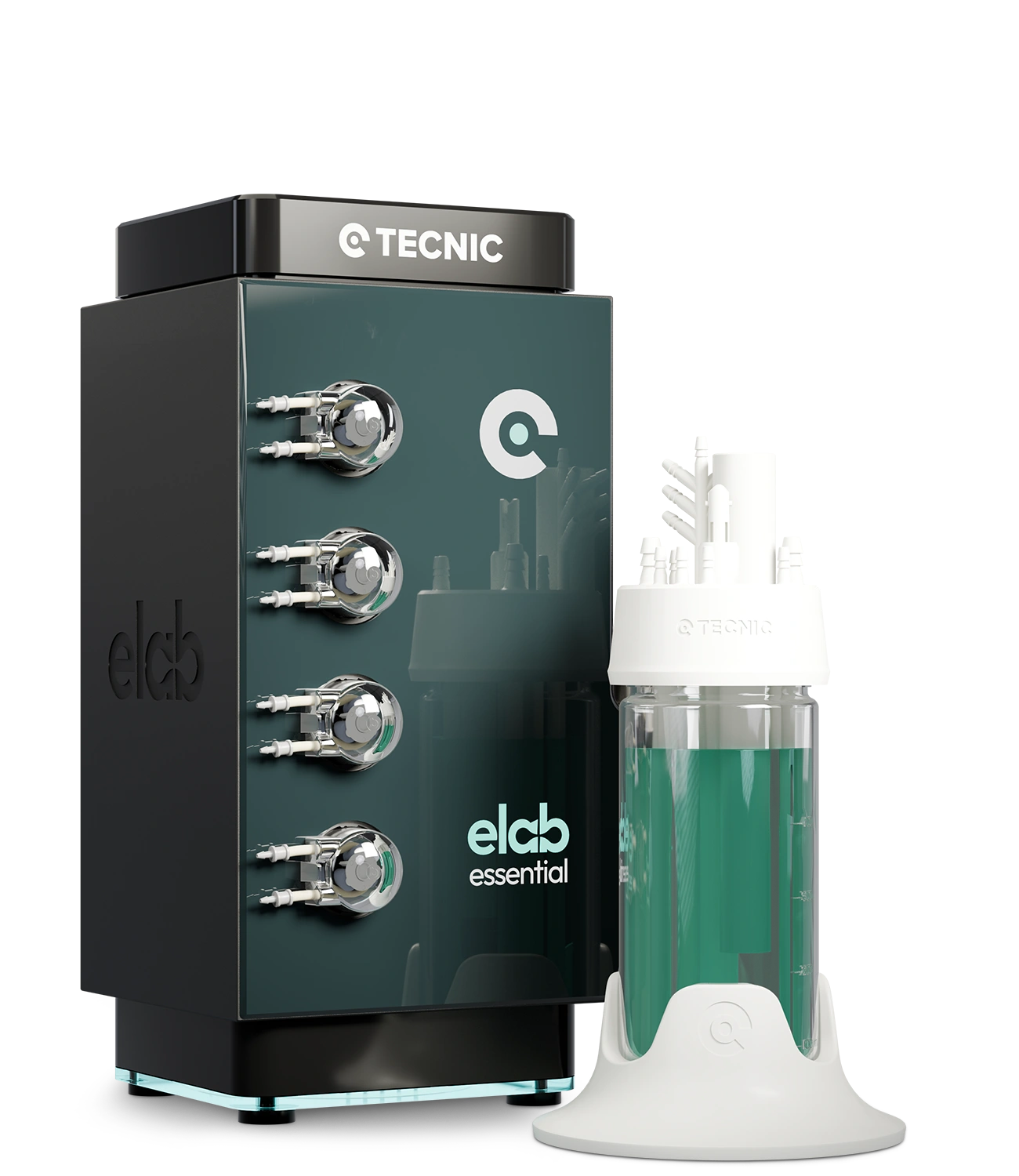
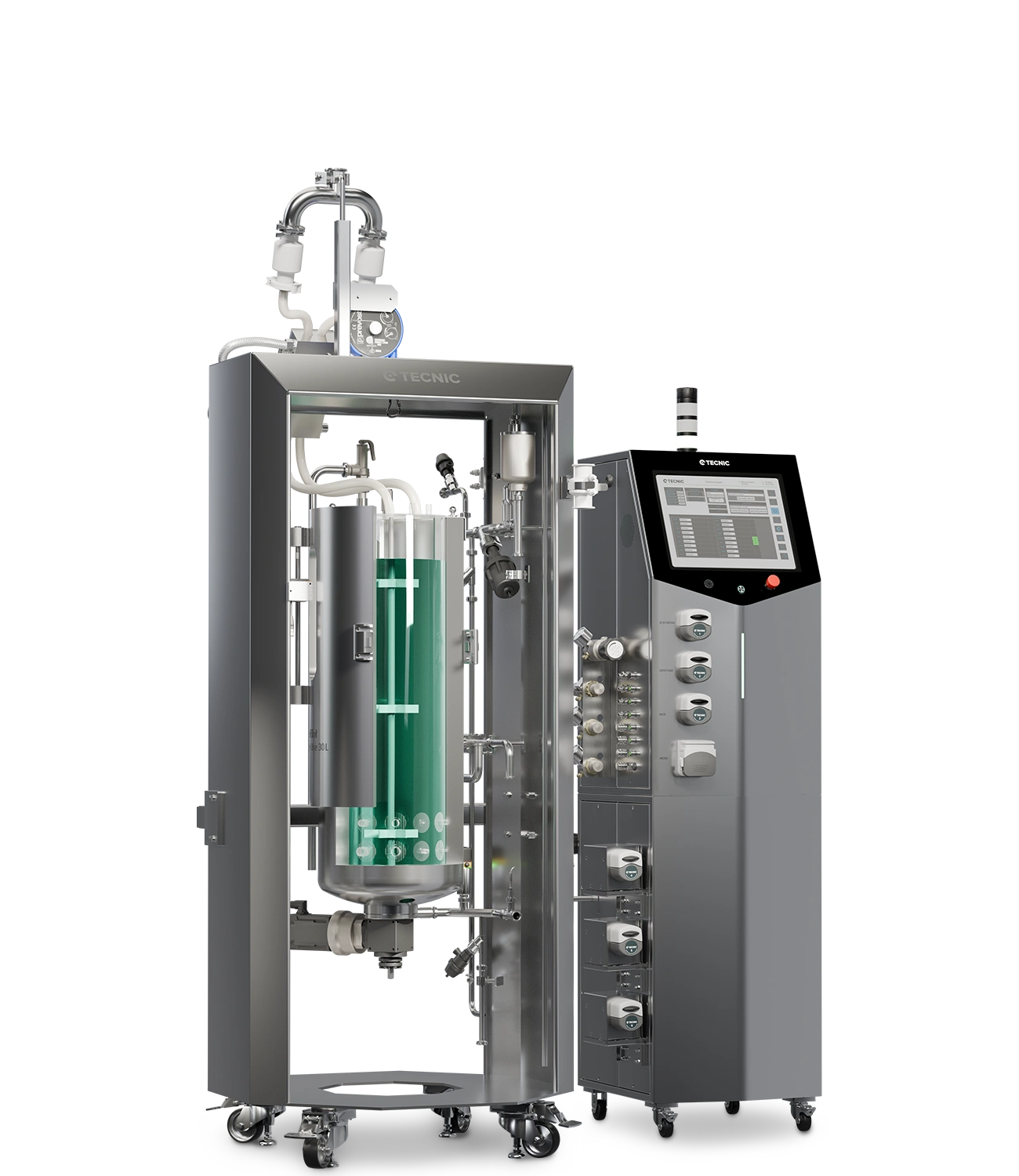
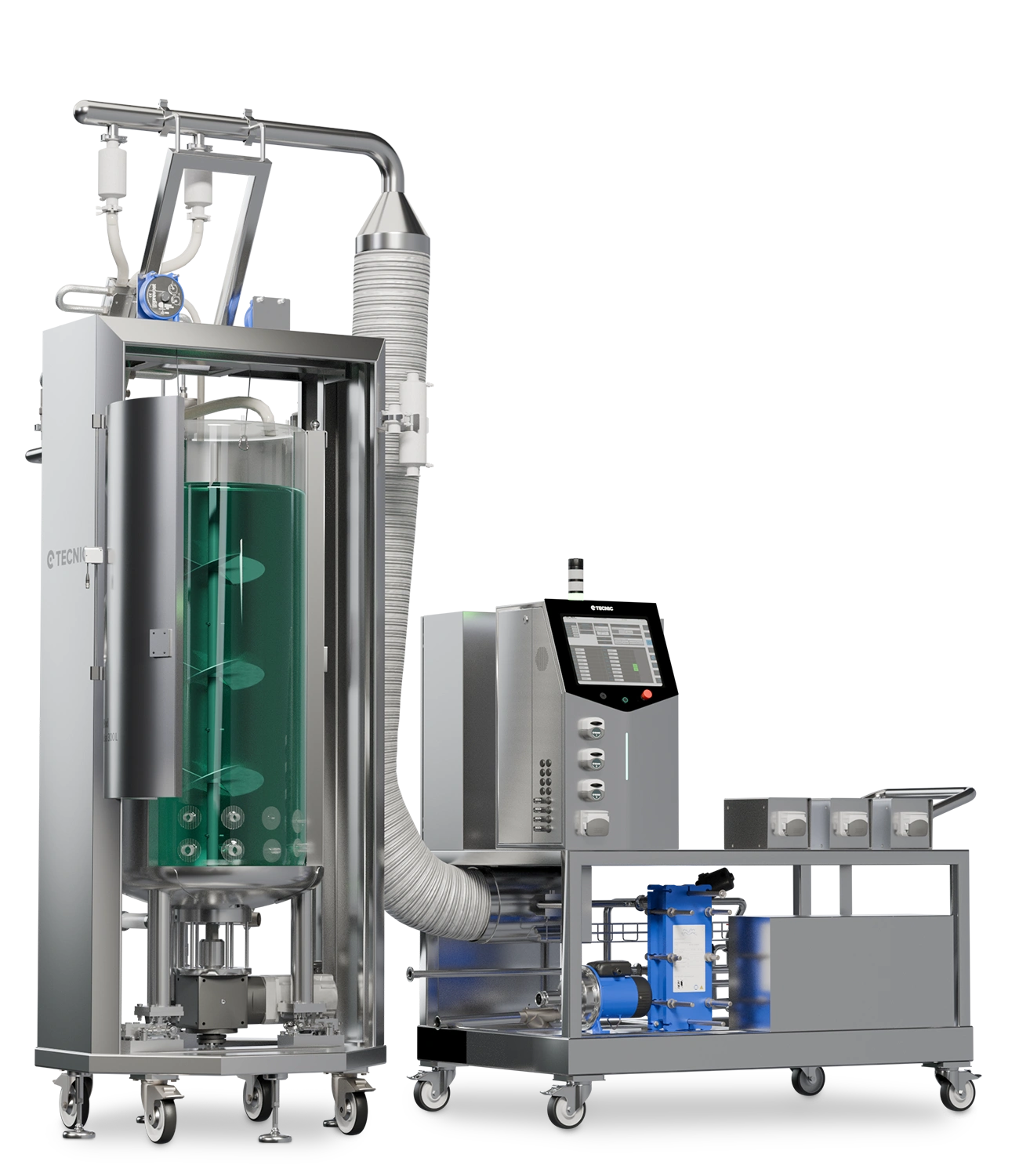
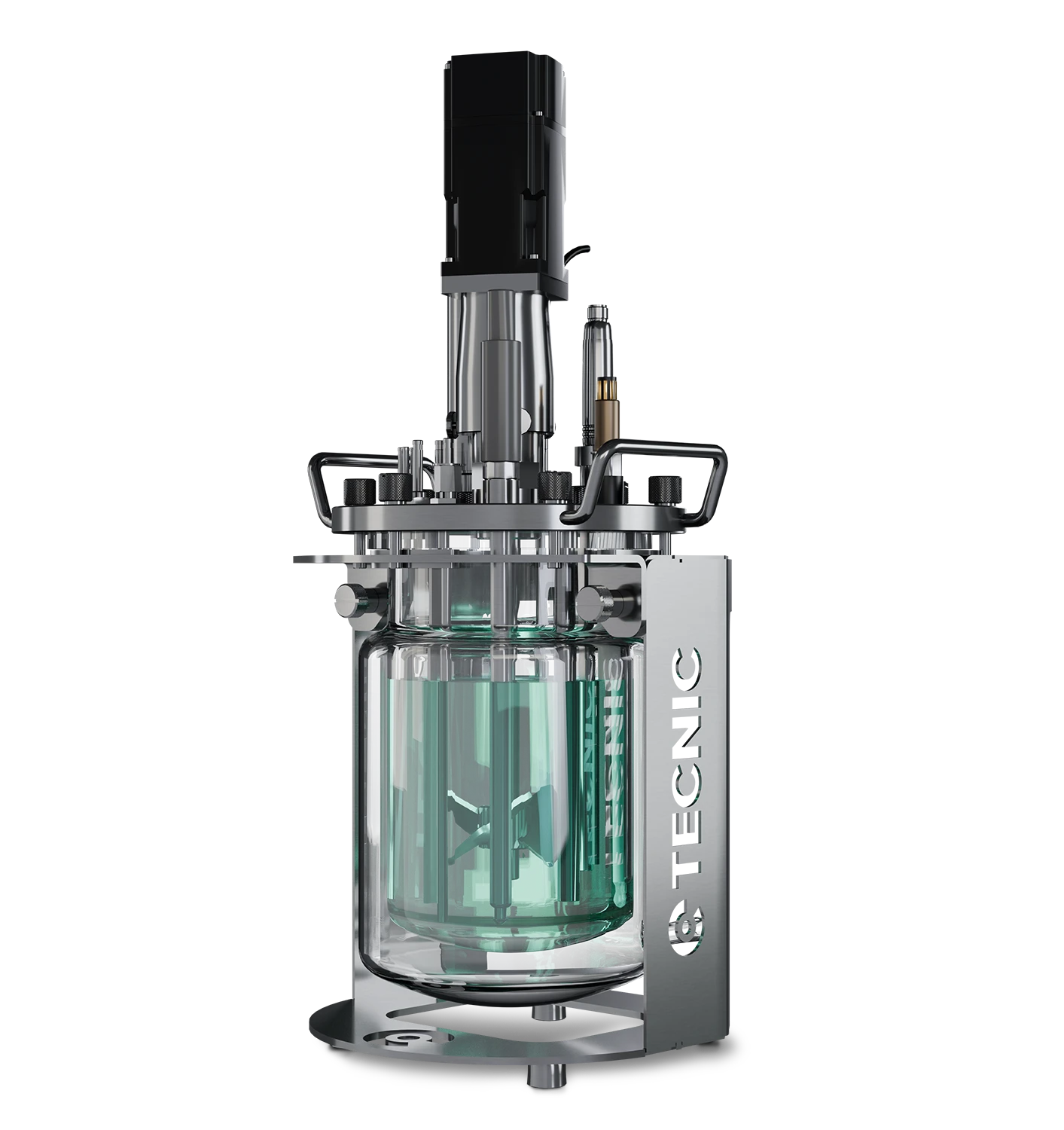
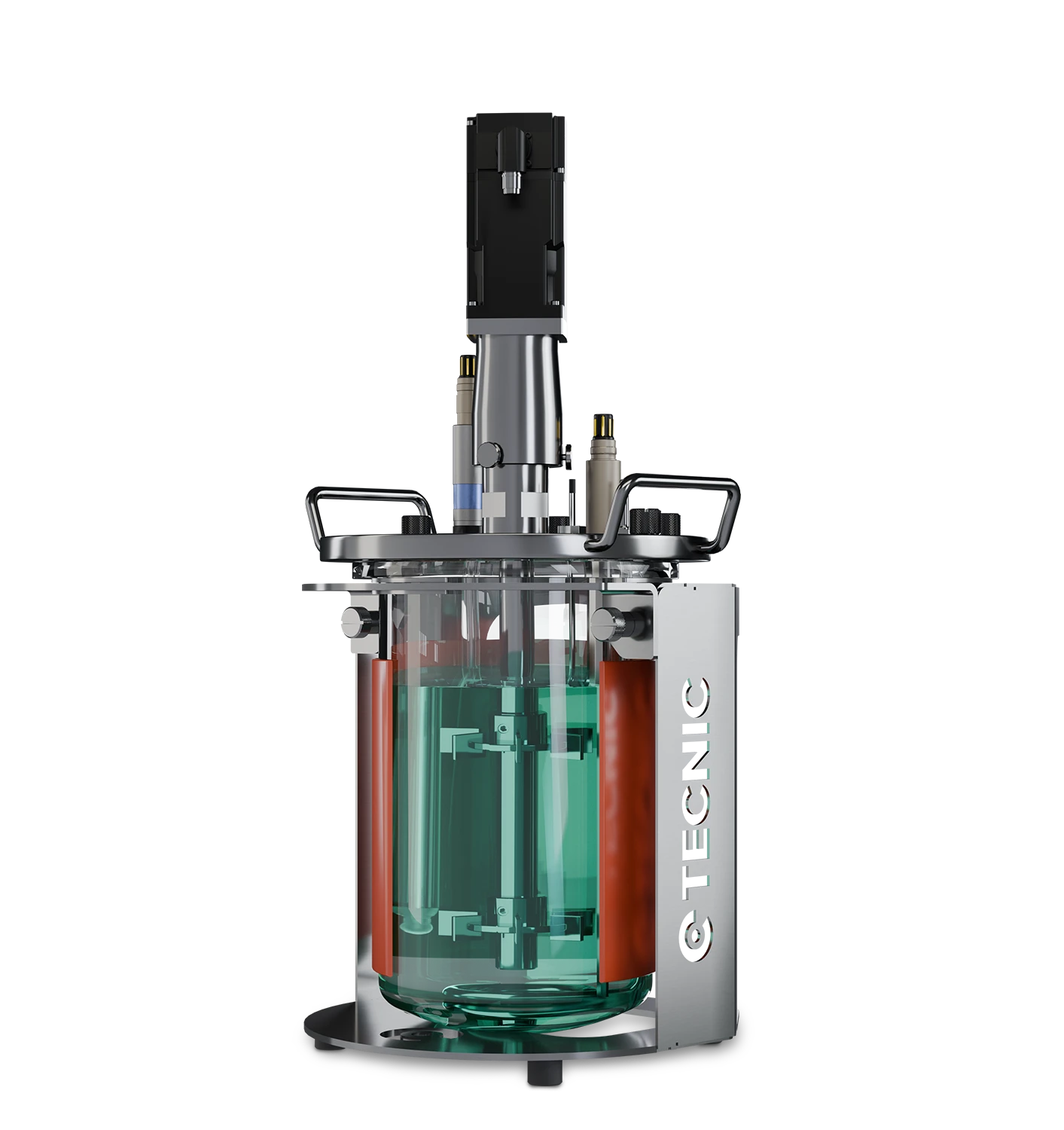
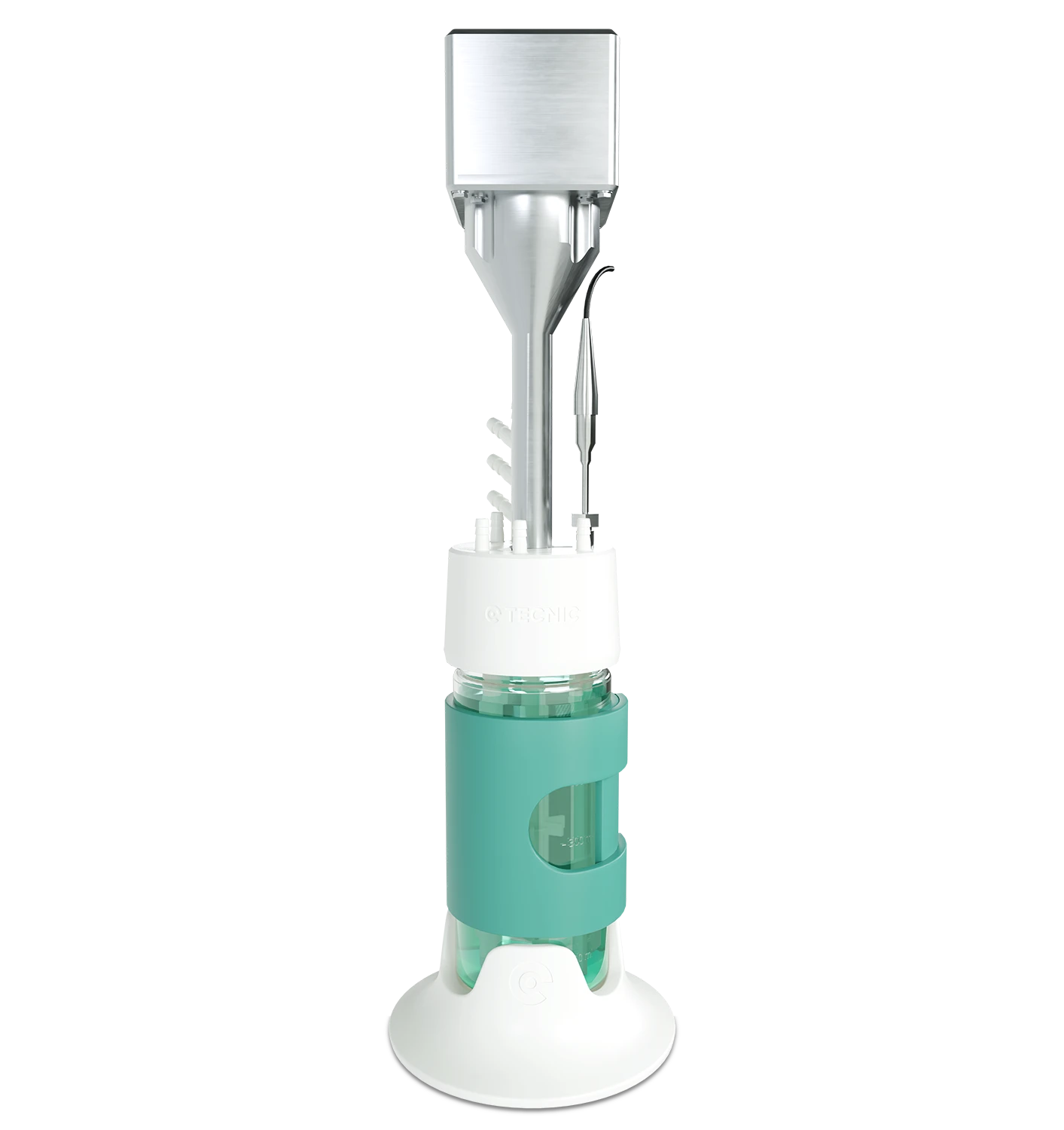
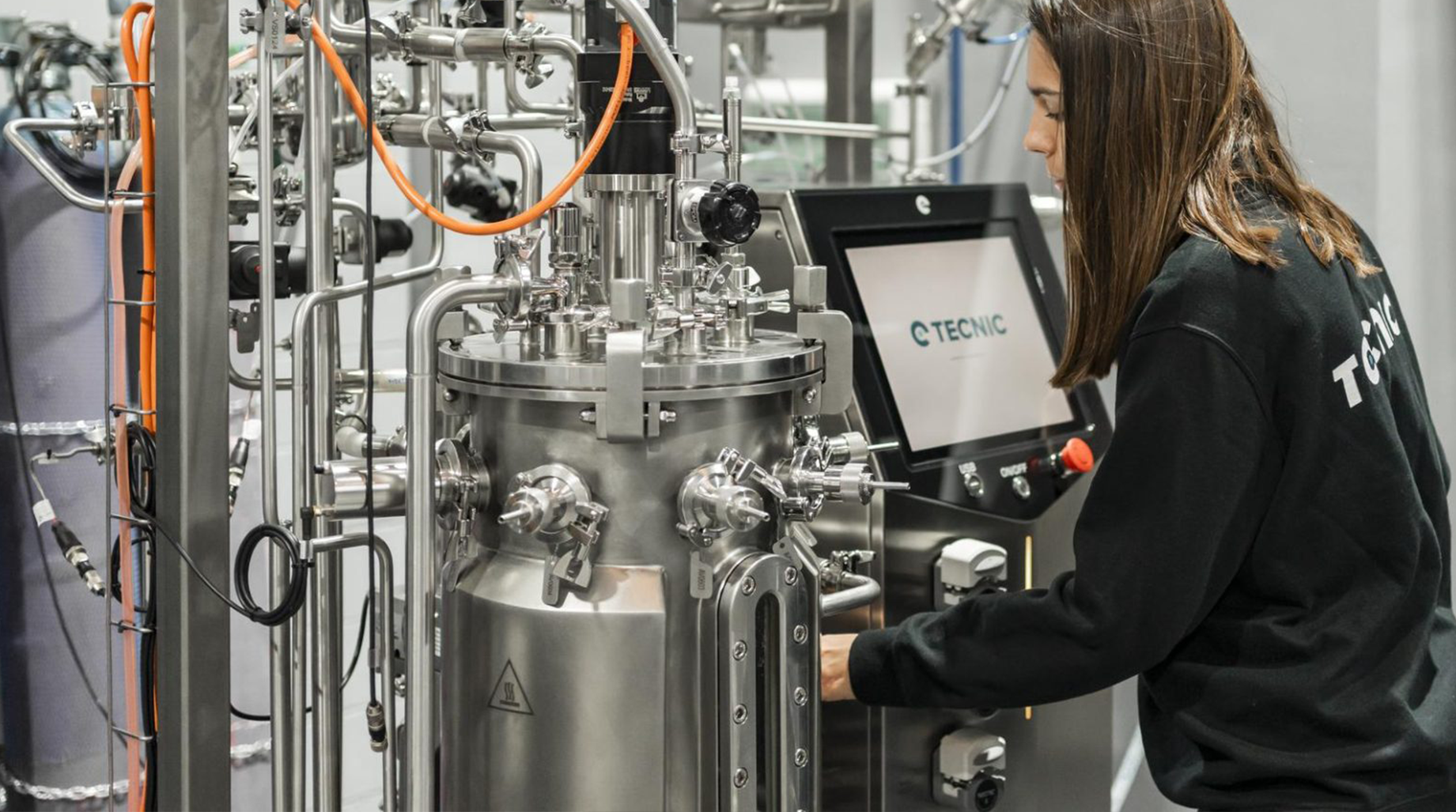
TECNIC fits naturally into this topic because controlling pH, DO, temperature and agitation is exactly where bioreactor quality becomes meaningful. These parameters are not abstract theory, they are day-to-day process realities.
Bioreactors
Relevant when cell culture processes need controlled environments from lab to pilot and production.
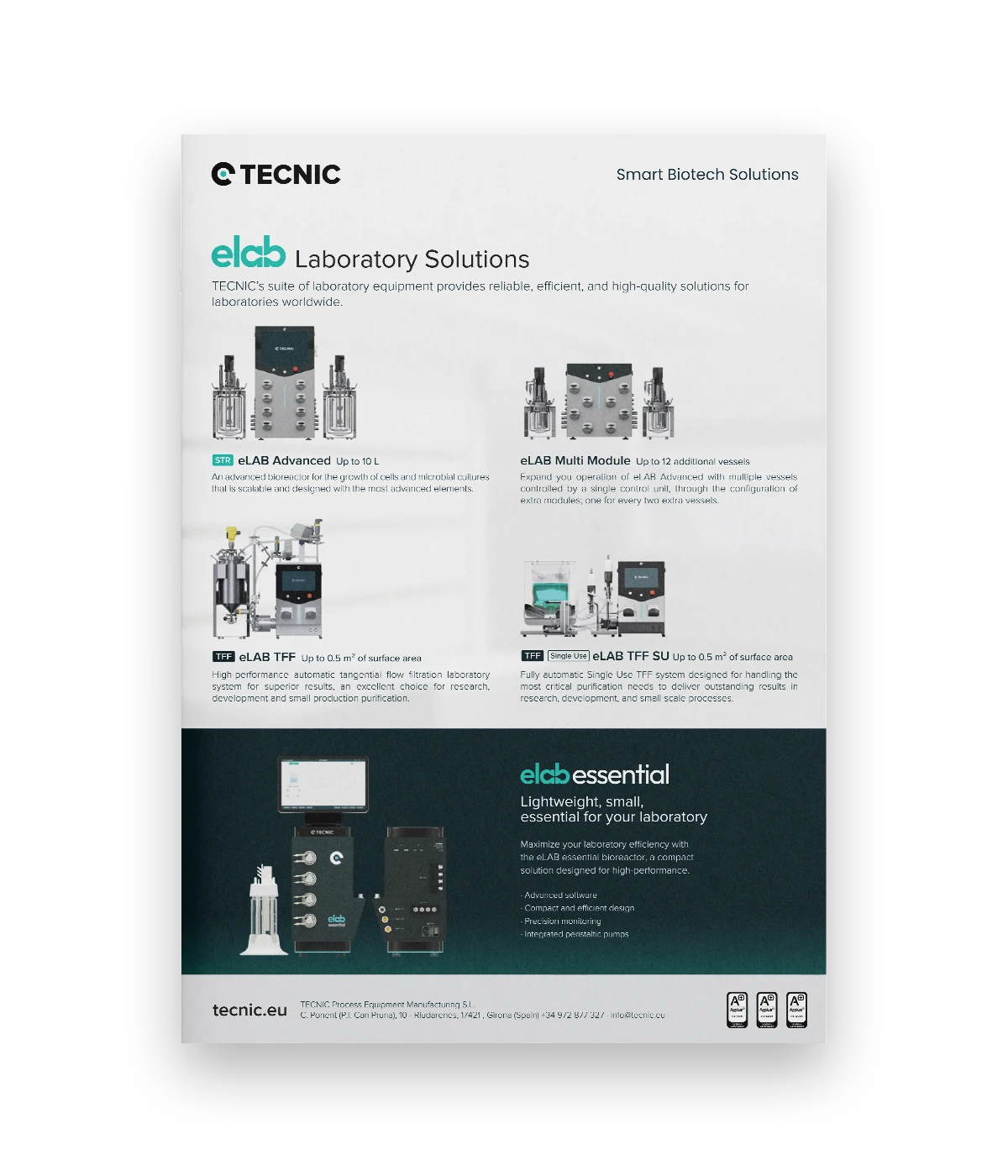
Laboratory equipment
Useful for early-stage process development where parameter control needs to be understood from the start.
Bioreactor overview content
A useful next step for readers who want to connect cell culture parameters with broader reactor strategy.
Contact TECNIC
When parameter control becomes a real process challenge, direct technical discussion is more useful than general advice alone.
This article works best when the reader understands that cell culture parameters are not small adjustments, they are the core of process control.
Frequently asked questions
What are the most important cell culture parameters?
Four of the most important are pH, dissolved oxygen, temperature and agitation.
Why is pH important in cell culture?
Because it influences metabolism, nutrient availability and overall cellular stress.
Why is dissolved oxygen important in cell culture?
Because cells depend on oxygen for respiration, and poor oxygen transfer can limit process performance.
Why does agitation matter in a bioreactor?
Because it affects mixing, nutrient distribution, gas transfer and the mechanical stress experienced by the cells.
Should cell culture parameters be optimized one by one?
Not in isolation, because these variables interact and the overall biological response matters more than any single number alone.
Reviewing how key cell culture parameters connect with reactor performance?
Explore TECNIC’s bioreactor solutions or speak with our team to review the right setup for controlled cell culture workflows.